

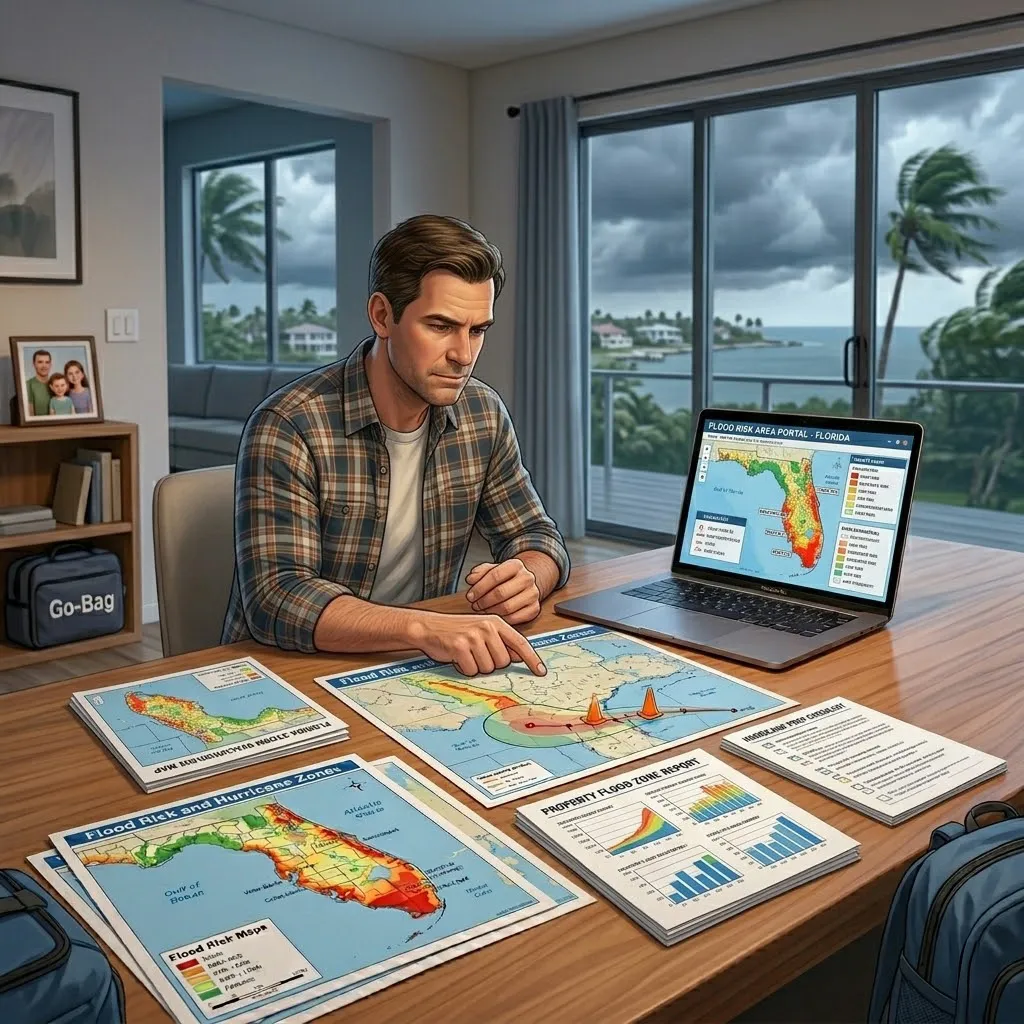
One of the first steps in hurricane preparedness is understanding the specific risks your home may face. Not all properties are exposed to the same level of danger. Some homes may be more vulnerable to flooding, while others may be at greater risk from high winds, falling debris, or storm surges. Knowing your property’s risk level allows you to prepare more effectively and make informed decisions before a storm arrives. Homeowners should determine whether they live in a hurricane-prone or flood-prone area and review local flood maps whenever possible. Many cities, counties, and municipalities provide access to these maps, and additional resources are available through tools such as FEMA’s Flood Map Service Center. By learning more about your location, elevation, evacuation zone, and nearby water sources, you can better understand what kind of protection your property may need.
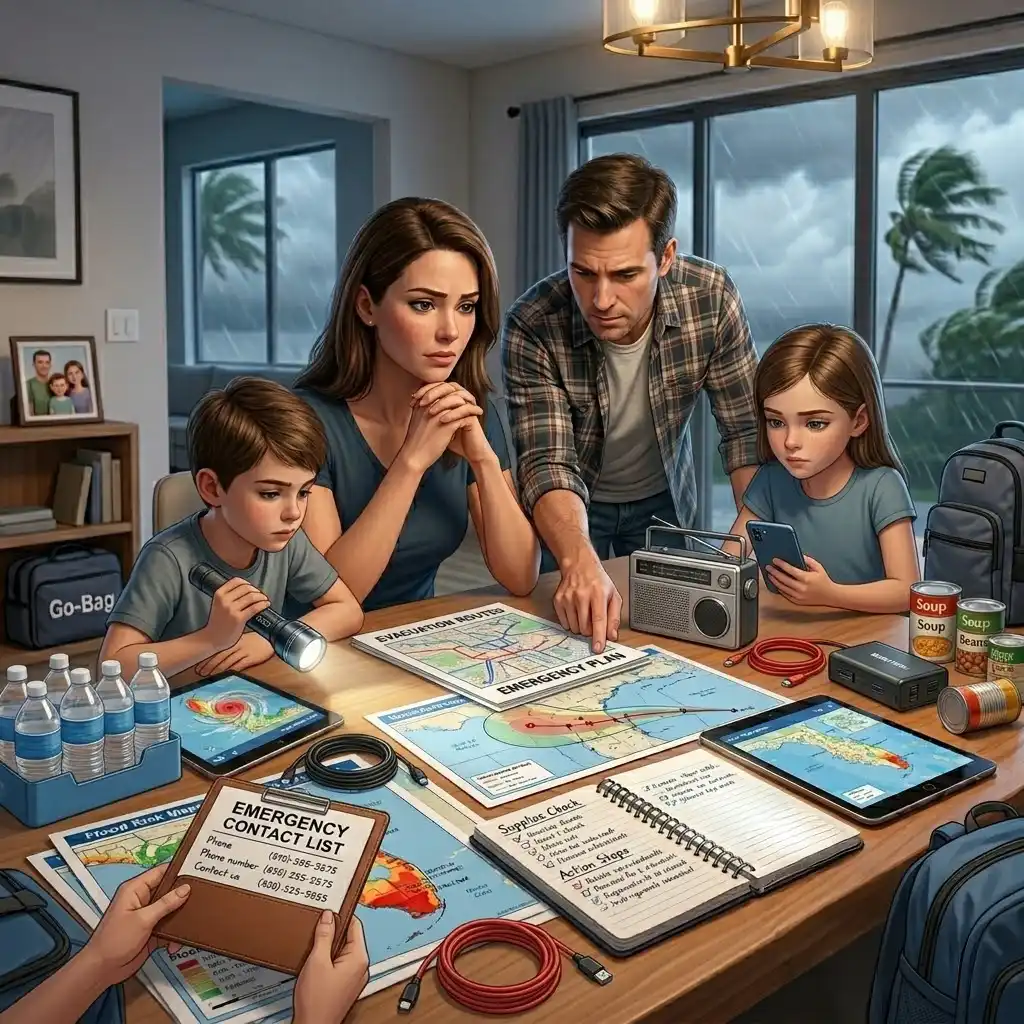
A well-thought-out emergency plan is essential for every household. During a hurricane, confusion and stress can make it harder to make quick decisions, especially if family members are separated or if there is an evacuation order. Having a plan in place ahead of time helps everyone know what to do and where to go. Your emergency plan should include a primary evacuation route as well as a backup route in case roads become blocked or conditions change unexpectedly. It should also identify a safe meeting point where family members can reunite if they become separated. In addition, it is important to have a communication plan that includes emergency contacts, phone numbers, and a strategy for staying in touch if cell service is interrupted. You should also decide in advance which items you will take with you if you need to leave quickly, such as identification, insurance documents, medications, emergency kits, chargers, and valuable belongings. Once the plan is created, share it with everyone in your household and review it from time to time. Practicing the plan periodically can make a major difference in a real emergency.
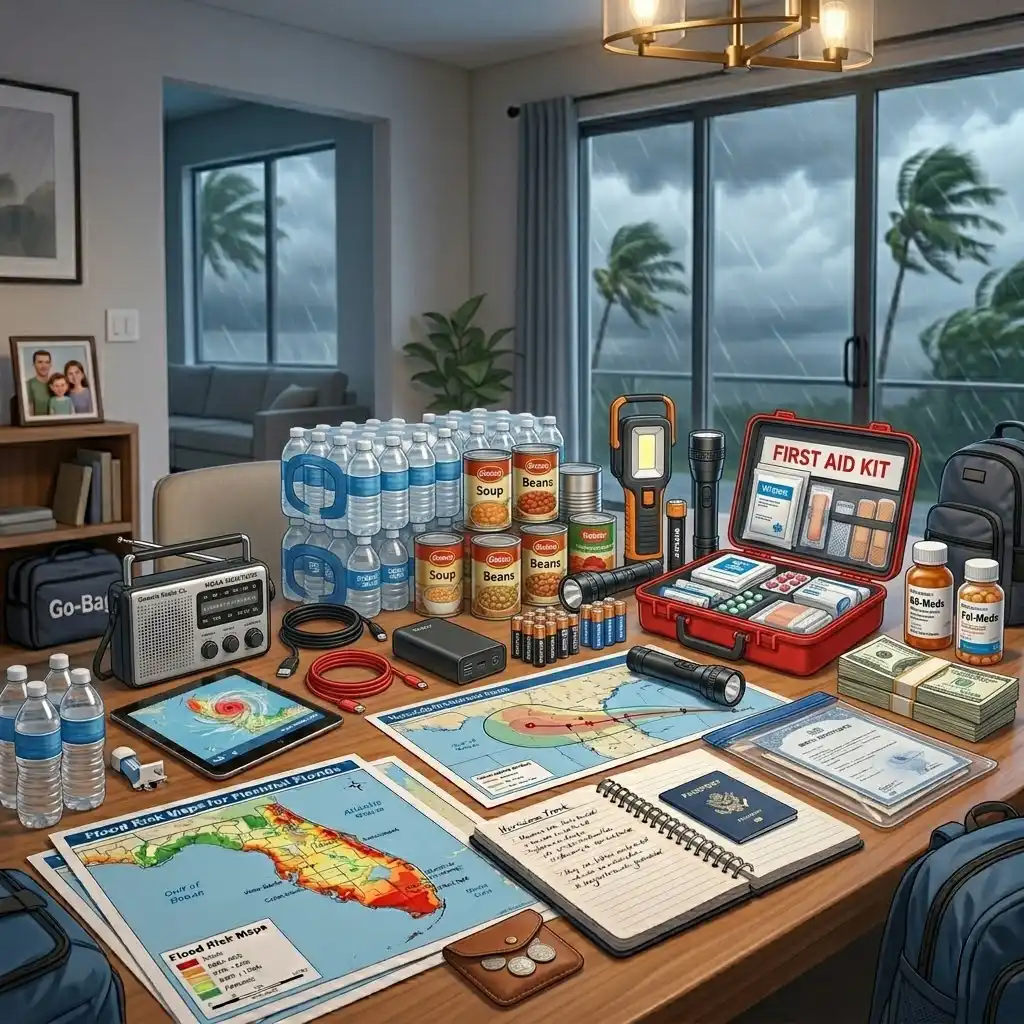
Every homeowner should have an emergency supply kit ready before hurricane season intensifies. Storms can cause road closures, power outages, water service disruptions, and limited access to stores or gas stations. A well-stocked kit can help your household remain safe and self-sufficient for several days if necessary. Your emergency supplies should include enough food and water for at least three days, with a general recommendation of one gallon of water per person per day. Nonperishable food items such as canned goods, protein bars, and ready-to-eat meals are practical choices. You should also have flashlights, extra batteries, and a hand-crank or battery-powered radio to stay informed if electricity and internet service are unavailable. Other important items include first aid supplies, prescription medications, hygiene products, cash, waterproof storage bags for essential documents, phone chargers, extra batteries, and a backup power source for personal devices. The goal is to have everything you need readily available so you are not scrambling for supplies at the last minute.
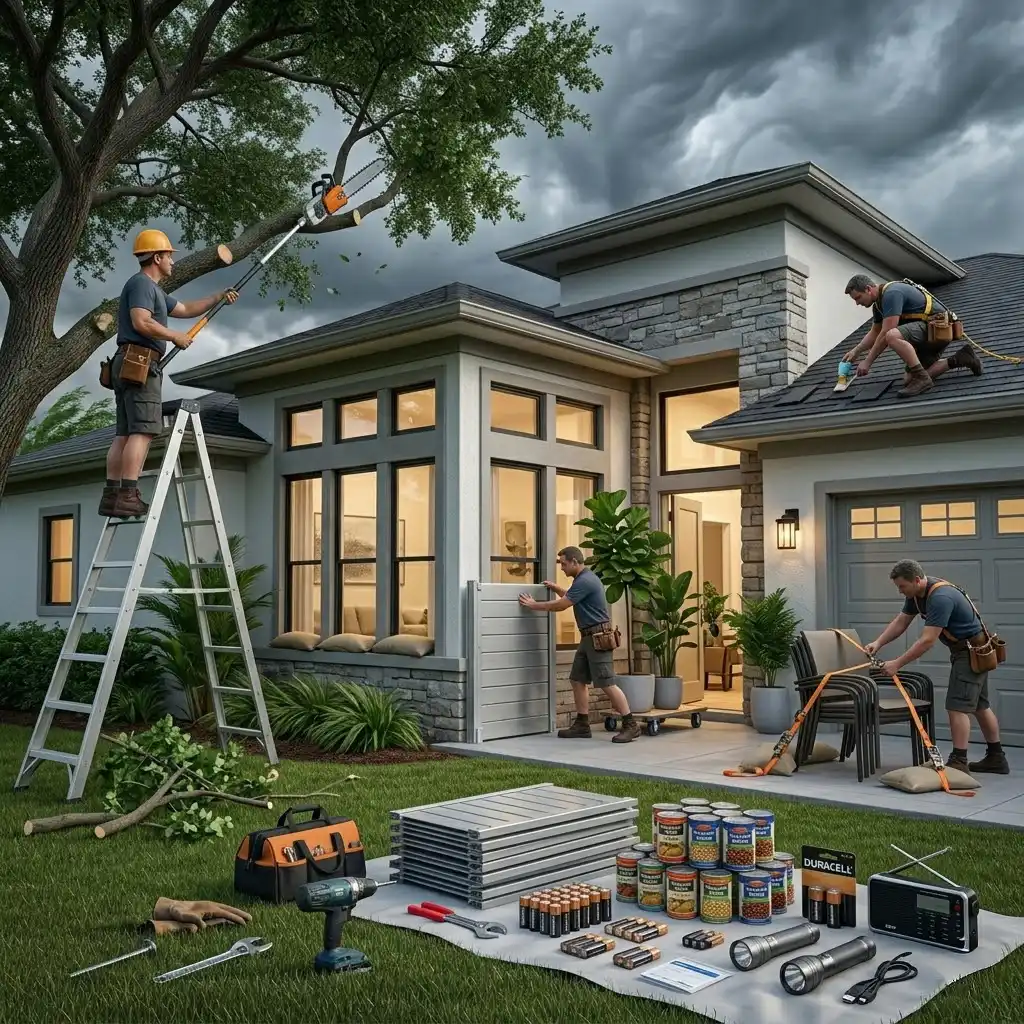
The exterior of your home is your first line of defense during a hurricane, so taking steps to protect it is extremely important. High winds can turn loose objects, branches, and debris into dangerous projectiles that can damage windows, doors, roofs, and nearby property. Start by trimming trees and shrubs around your home. Remove dead branches and weak limbs that could break off during a storm. Outdoor furniture, grills, potted plants, decorations, and other loose items should be brought indoors or secured properly. These objects may seem harmless in normal conditions, but during strong winds they can become a serious hazard. It is also wise to inspect your roof for loose or missing shingles and repair any vulnerable areas before hurricane season peaks. If needed, reinforce sections of the roof to reduce the chance of storm damage. Covering windows with hurricane shutters or other approved protective systems can also help prevent breakage and reduce the risk of wind and water entering the home.
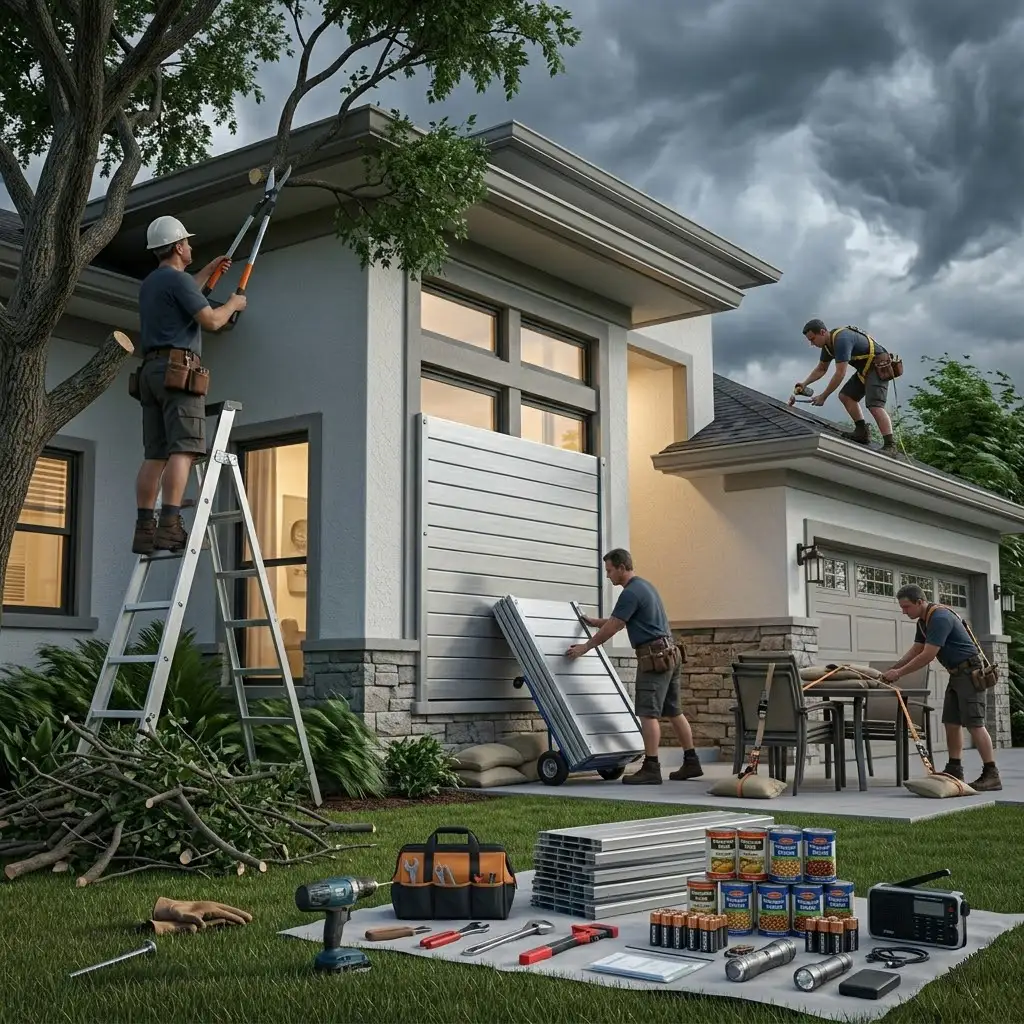
Doors and windows are among the most vulnerable parts of a home during a hurricane. If they fail, wind and rain can enter the property, causing extensive interior damage and increasing the chance of structural problems. For that reason, reinforcing these openings is a key part of hurricane preparation. Homeowners should consider installing hurricane-resistant windows or reliable storm shutters that can withstand strong winds and flying debris. Even if permanent systems are not in place, temporary protective options should be planned in advance rather than rushed during a storm warning. Doors should also be inspected carefully to ensure they are in good condition and close securely. Particular attention should be given to garage doors, which are often a weak point during hurricanes. Reinforcing the garage door can help prevent wind pressure from entering the structure and causing more significant damage throughout the home.

For homes located in flood-prone areas, flood protection measures can make a significant difference in reducing water intrusion and property loss. Flooding can occur not only near the coast but also inland due to heavy rainfall, overflowing drainage systems, and rising water levels. There are several ways homeowners can improve flood readiness. Sandbags or flood barriers can be used to help keep water away from entry points such as doors, garages, and low openings. Elevating electrical systems, appliances, and heating equipment can also reduce the risk of damage if floodwaters enter the home. In basements or crawl spaces, applying waterproofing compounds to walls may help prevent seepage and moisture problems. Another helpful measure is installing a sump pump with a battery backup. Since storms often cause power outages, a battery-supported system can continue operating when electricity is unavailable. Taking these precautions ahead of time can reduce the severity of flood-related damage and help homeowners recover more quickly after a storm.
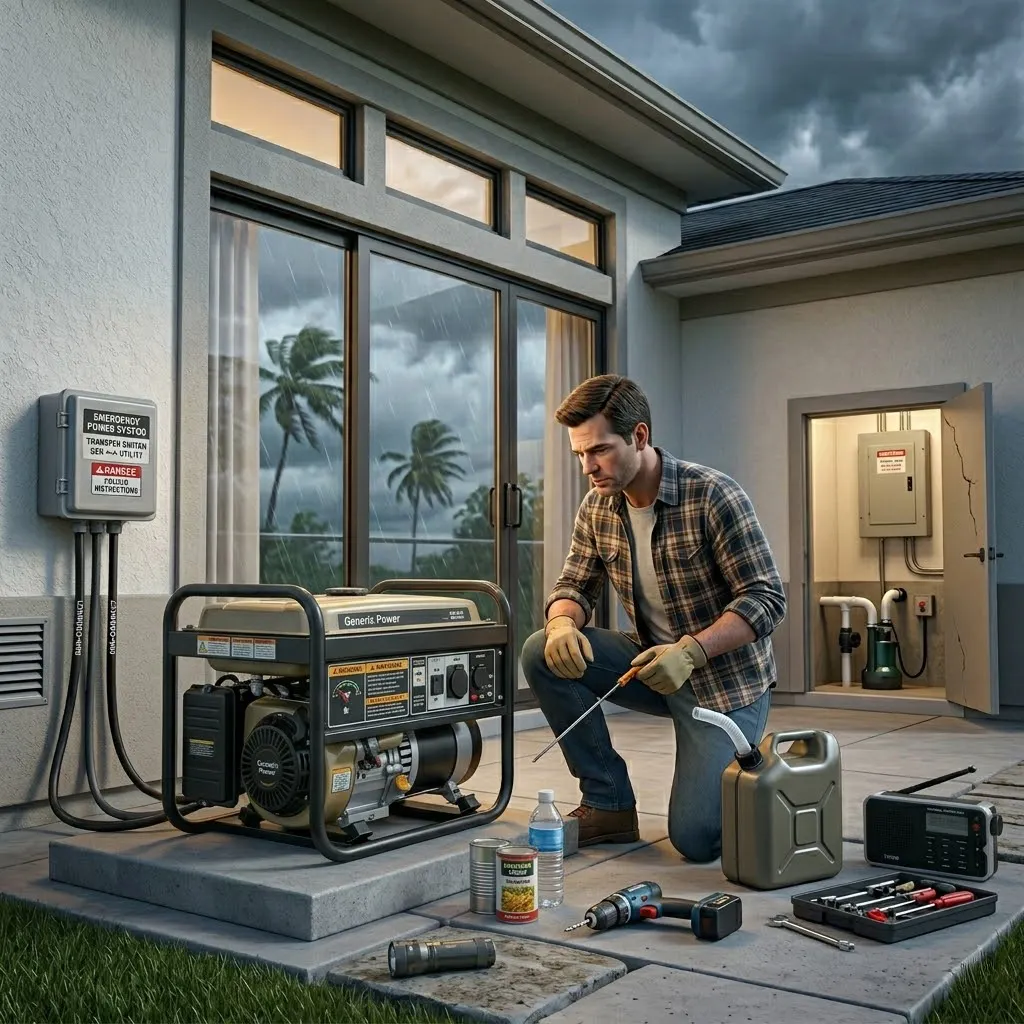
Power outages are common during hurricanes and can last for days or even weeks depending on the severity of the storm. Losing electricity can affect lighting, refrigeration, communication, security systems, and other essential household functions. That is why having a backup power source is an important part of emergency preparedness. A backup generator can help keep critical systems running and provide a greater sense of security during an extended outage. Homeowners who use generators should ensure they have enough fuel available and understand how to operate the equipment safely. Proper placement and ventilation are especially important to avoid safety hazards. Even if a full generator is not available, portable battery systems and power banks can still be valuable for charging phones, radios, flashlights, and small essential devices. Having a backup plan for electricity can make a difficult situation much more manageable.
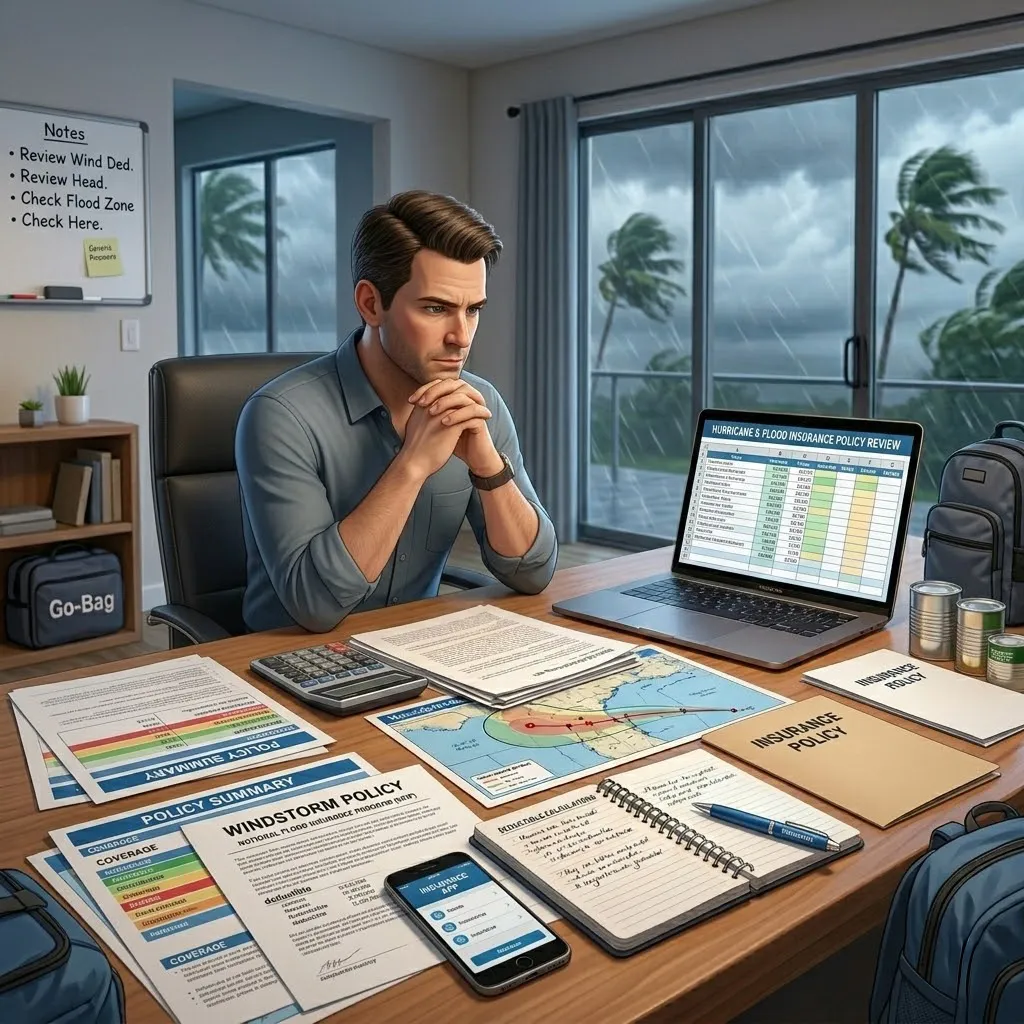
Insurance is another important part of hurricane preparedness that homeowners should not overlook. Many people assume their standard homeowners’ insurance policy covers all storm-related damage, but that is not always the case. Flood damage, in particular, often requires separate coverage. Before hurricane season becomes active, homeowners should review their existing policies carefully. It is important to understand coverage limits, deductibles, exclusions, and any waiting periods that may apply. If flood insurance is needed, it should be arranged in advance rather than after a storm is already on the way. Knowing exactly what your policy covers can prevent confusion and financial surprises later. It can also help you document your property and prepare more effectively in case you need to file a claim after a hurricane.

Important documents can be difficult or even impossible to replace if they are damaged by water, fire, or storm debris. For that reason, homeowners should take time to gather and protect essential paperwork before hurricane season intensifies. Key documents may include identification cards, insurance policies, medical records, financial information, property records, and emergency contact lists. These should be stored in a waterproof and fireproof container whenever possible. It is also a good idea to scan them digitally and save secure copies in cloud storage or another protected digital location. Having these documents organized and accessible can save valuable time during an evacuation and make the recovery process much easier after the storm has passed.

Staying informed is one of the most important parts of hurricane preparedness. Weather conditions can change quickly, and having access to reliable updates allows homeowners to respond in a timely and appropriate manner. During hurricane season, follow updates from trusted sources such as the National Weather Service, local emergency management agencies, and local authorities. Signing up for weather alerts can help you receive warnings about developing storms, evacuation notices, flooding risks, and other urgent information. Mobile phones should be set to receive emergency notifications so you do not miss critical alerts. Monitoring the weather regularly helps homeowners make better decisions about when to secure the home, gather last-minute items, or leave the area if conditions become dangerous.
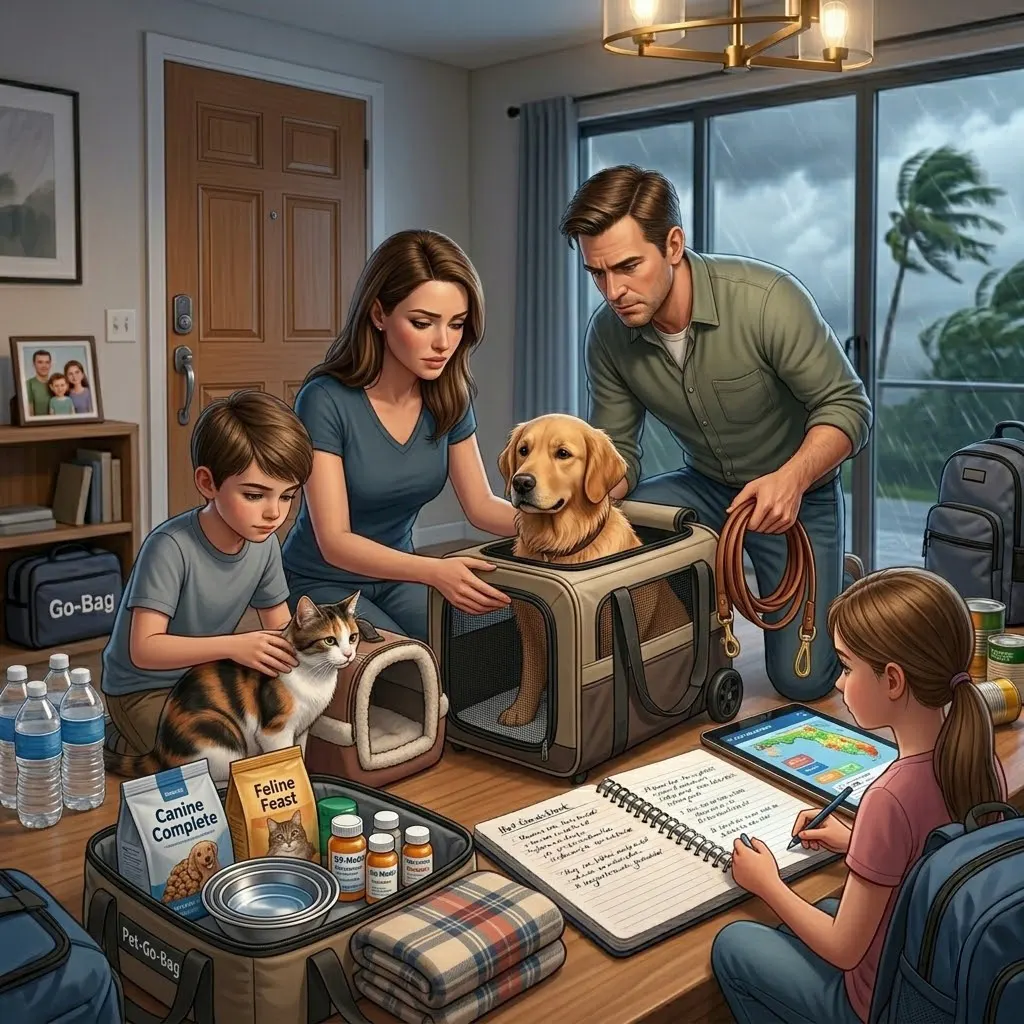
Pets are an important part of the family, and they should be included in every emergency preparedness plan. Many shelters and temporary accommodations do not accept animals, so homeowners should make pet arrangements well in advance rather than waiting until the last minute. Make sure you have enough pet food, water, medications, waste supplies, identification tags, and medical records ready to go. A secure pet carrier or crate should also be available for safe transportation. If evacuation becomes necessary, knowing where your pets can stay and how you will transport them can reduce stress and help keep them safe. Planning ahead for pets is just as important as planning for people, and it ensures that no family member is left behind in an emergency.